
Why Your Shoulder Pain Isn’t Going Away (And What You Can Do About It)
April 26, 2026Innovative Trends gestalten die neue Casinowelt
May 3, 2026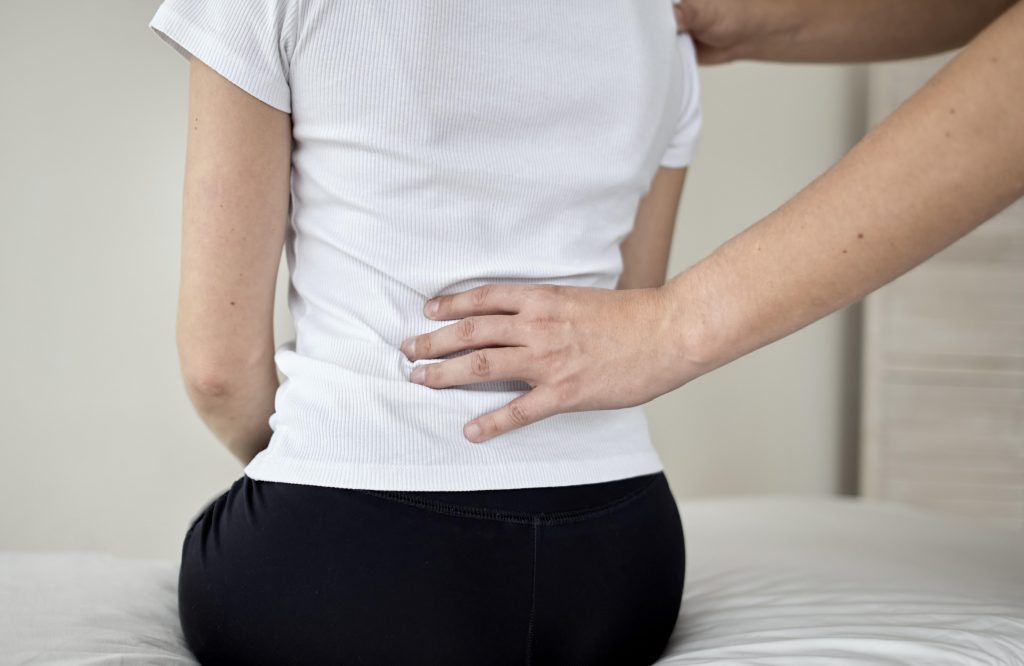
Lower Back Pain When Sitting or Standing? Causes & Solutions
Lower back pain that gets worse the longer you sit is one of the most common complaints our certified chiropractor hears at the clinic. It builds through the morning at a desk, flares on a long drive, or aches through an afternoon shift on your feet. You stand up, move around, and it eases a bit, then comes back once you settle into the same position again.
That pattern is specific, and it tells us something about which structure is under stress. Lower back pain that changes with position is almost always rooted in a disc problem, joint dysfunction, or muscle imbalance that has reached the point where loading the spine in certain positions consistently produces pain.
We pinpoint the exact source before recommending anything. Call us at (321) 234-0124 or book your first visit for $39.
Why Sitting or Standing Makes It Worse
The lumbar spine carries the majority of the body’s compressive load during most daily activities. Sitting and standing affect it in different ways, and which position aggravates the pain gives us useful diagnostic information.
Sitting increases the pressure on the lumbar discs more than standing does. If your lower back pain consistently worsens after 20 or 30 minutes of sitting, disc compression is a likely contributor. The hip flexors pull the pelvis into a posterior tilt during prolonged sitting, and a disc that is already compromised responds with increasing pain under that added load.
Standing for extended periods shifts more of the load onto the facet joints and the posterior structures of the spine. When the lumbar curve is flattened or exaggerated by muscle imbalances, certain structures take disproportionate stress during prolonged standing.
Many patients find their pain is worse in both positions because the underlying problem creates sensitivity across multiple loading patterns. That overlap is useful information, not a reason to give up on finding a clear answer.
What Is Usually Driving the Pain
Pain that shifts with position is your body signaling a specific mechanical problem. These are the most common structural causes we identify during lower back evaluations.
Disc Compression and Herniation
The lumbar discs at L4-L5 and L5-S1 are the most commonly affected structures in positional lower back pain. When a disc herniates or bulges, it presses on nearby nerve roots, causing local lower back pain as well as radiating pain down the leg. The pain that worsens with sitting reflects the increased disc pressure in that position.
A herniated disc occurs when the soft inner material of a spinal disc pushes through a crack in its outer wall. Even a partial herniation that puts mild pressure on a nerve root can produce significant and consistent symptoms.
Facet Joint Dysfunction
The facet joints at the back of each vertebral segment stabilize the spine during movement. When they become restricted or inflamed, often as a result of disc height loss or accumulated mechanical stress, they create sharp or aching pain that is typically worse with prolonged standing and backward bending.
Muscle Imbalance and Pelvic Tilt
Tight hip flexors, weak glutes, and overactive lumbar extensors create a pelvic tilt that alters the loading pattern on the lumbar spine. This develops naturally in people who spend most of the day seated. The imbalance puts chronic strain on the discs and joints and is one of the primary reasons lower back pain keeps returning even after treatment that does not address the muscles directly.
Degenerative Disc Disease
As discs lose height and hydration over time, the vertebrae above and below move closer together, compressing nerves in the narrowed spaces. The resulting chronic lower back pain is sensitive to position because the amount of compression changes with how the spine is loaded. Degenerative disc disease is treatable, and many patients with significant disc changes on imaging respond well to conservative care.
Subluxation
A subluxation is a vertebral misalignment that reduces normal joint movement and irritates surrounding nerves. Positional lower back pain often eases temporarily when the patient shifts position because the misaligned segment is briefly unloaded. That temporary relief is not the same as resolving the problem.
How We Treat Lower Back Pain
Every treatment plan we build starts with what the evaluation finds. Dr. Michael Bowerman and Dr. Carlos Gomez, both trained at Palmer College of Chiropractic (established in 1897), assess the lumbar spine, the disc levels, the surrounding musculature, and the nervous system before recommending any therapy.
Depending on the findings, care typically includes some combination of the following:
Chiropractic Adjustments
Manual and instrument-assisted adjustments to the lumbar vertebrae correct misalignments, restore joint motion, and reduce nerve irritation at the source. Restoring proper spinal mechanics is often the first and most direct step for patients with positional lower back pain.
Spinal Decompression Therapy
For patients with disc compression, herniation, or degenerative disc disease, motorized spinal decompression creates controlled negative pressure inside the affected disc. This draws herniated material away from the nerve root, encourages fluid and nutrients back into the disc, and reduces the compressive load that makes sitting and standing painful. Sessions run 30 to 45 minutes and are comfortable throughout.
Intersegmental Traction
Roller-based table therapy that gently mobilizes each lumbar segment, improves disc hydration, and restores flexibility. We commonly use this before an adjustment or decompression session to prepare the spine and improve how it responds.
Electrical Muscle Stimulation
Targeted electrical impulses reduce lumbar muscle spasm and pain in the acute phase, making the spine more receptive to the structural treatment that follows.
Exercise Rehabilitation
Rebuilding core stability and correcting the muscle imbalances that place abnormal load on the lumbar spine is how we prevent the problem from returning. Without a rehabilitation component, the structural gains made through adjustment and decompression are harder to maintain long term.
We hold a 4.9-star rating across 164 or more Google reviews. Read more at orlandospine.com/reviews.
What to Expect at Your First Appointment
Your first visit includes a full lumbar spine and musculoskeletal evaluation, a review of your symptoms and history, and a complete walkthrough of a recommended treatment plan. We explain what each therapy addresses and why it applies to your lower back condition. In most cases, care begins at the first visit.
No referral is needed. Complete your intake forms online before you arrive.
Related topics: