Cupping Therapy In Orlando FL For Pain Relief Muscle Recovery
Cupping therapy at Orlando Spine and Wellness Center in Orlando, FL uses suction to reduce muscle tension, improve circulation, and ease chronic back, neck, and shoulder pain. It is doctor-evaluated and typically paired with chiropractic adjustments or Class IV laser therapy. New patients are seen for $39, and the practice has served South Orlando since 2014 with a 4.9-star rating from 240-plus reviews.
What Is Cupping Therapy?
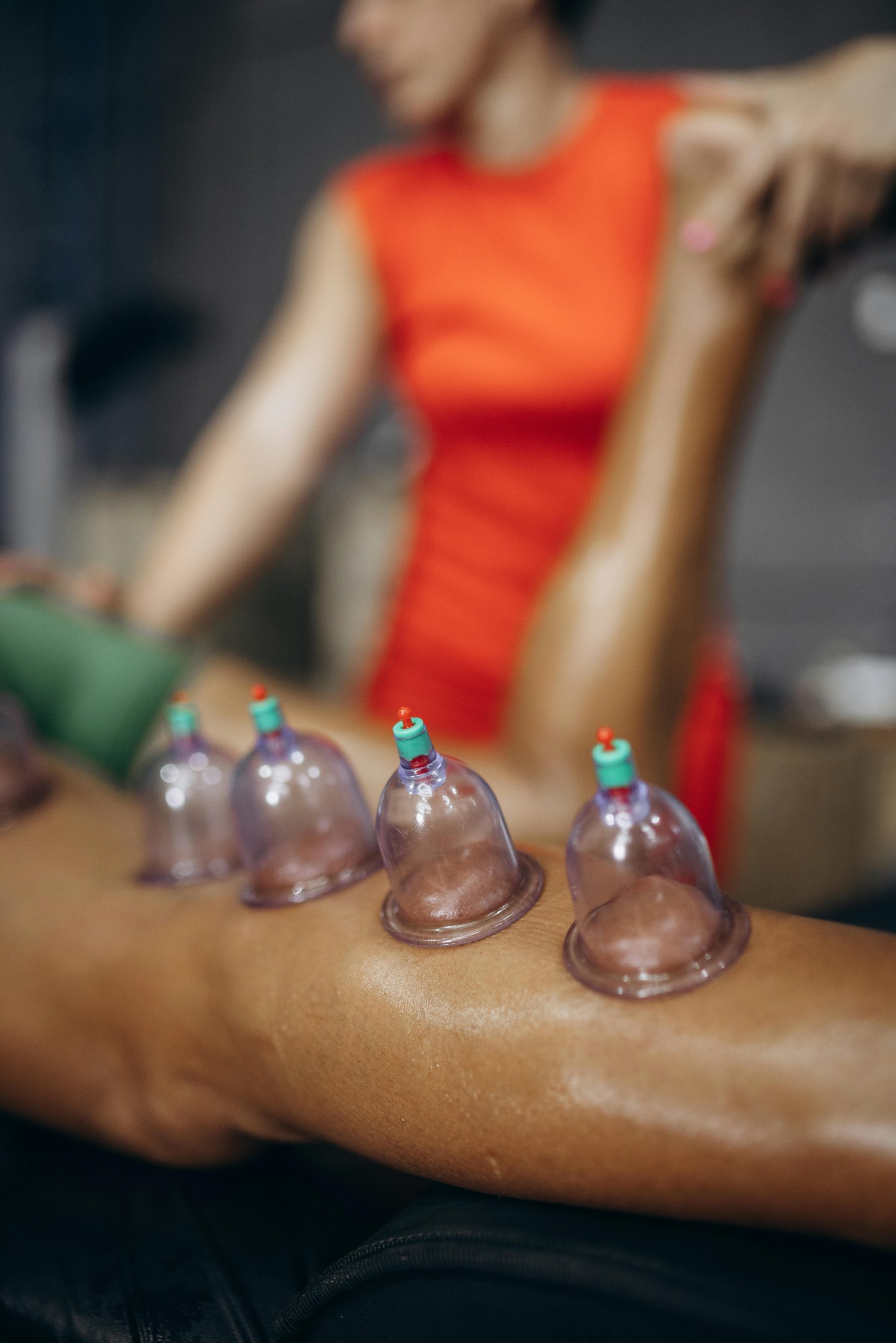
Cupping therapy is performed by placing a cup on the skin to create suction, which pulls the skin upward, increases blood flow to the area, and helps release tension in the underlying tissue. The treatment uses suction to decompress layers of soft tissue, improve circulation, and work through fascial restrictions that other forms of manual therapy address differently. It has roots in traditional Chinese medicine along with a growing body of modern clinical research, and it has become a consistent part of serious musculoskeletal treatment plans over the past decade. Benefits include pain reduction, relief of muscular tension, reduced inflammation, and support for cellular immunity.
Cupping Therapy At Our Orlando Chiropractic Center
Orlando Spine and Wellness Center has treated patients in South Orlando since 2014, earning a 4.9-star rating from more than 240 reviews. Cupping therapy is part of a full-service treatment offering that also includes chiropractic adjustments, spinal decompression, Graston soft-tissue therapy, and exercise rehabilitation, with two licensed doctors overseeing every treatment plan. New patients are seen for $39 without a referral.
Cupping is never offered as a standalone, walk-in appointment here. Before treatment begins, one of our doctors evaluates your presentation and determines how cupping fits alongside other services based on the findings. This evaluation step produces more consistent outcomes for patients with chronic or layered conditions, and it's what sets this approach apart from add-on cupping sessions that skip clinical context entirely.
Meet The Doctors Who Perform Cupping Therapy
Both doctors trained at Palmer College of Chiropractic, the founding institution of the profession, and hold active Florida chiropractic licenses. Dr. Michael Bowerman completed his undergraduate degree at the University of Central Florida and has spent over a decade treating patients in the Orlando area, with a clinical scope covering soft tissue therapy, disc injury treatment, auto accident recovery, and rehabilitation.
Dr. Carlos Gomez is an Orlando native who earned his undergraduate degree at the University of South Florida before completing his Doctorate of Chiropractic at Palmer College's Port Orange campus. His technique training includes Graston technique, static cupping, instrument-assisted soft tissue mobilization, and Class IV laser therapy. He is also a bilingual Spanish-speaking provider. Se habla Español.
Conditions This Treatment Addresses
Cupping covers a wider range of presentations than most patients expect. At our center, it's used as part of treatment plans for:
- Chronic back pain and lower back stiffness that hasn't responded to other approaches
- Neck pain and shoulder pain driven by muscle tension or postural strain
- Fascial adhesions and scar tissue that restrict range of motion after an old injury
- Muscle tension and trigger points in athletes and physically active patients
- Post-accident soft tissue damage, including the muscular component of whiplash
- Migraine headaches with cervical or upper back muscle involvement
- Ongoing pain management as part of a multi-treatment plan for chronic conditions
What A Cupping Session Involves
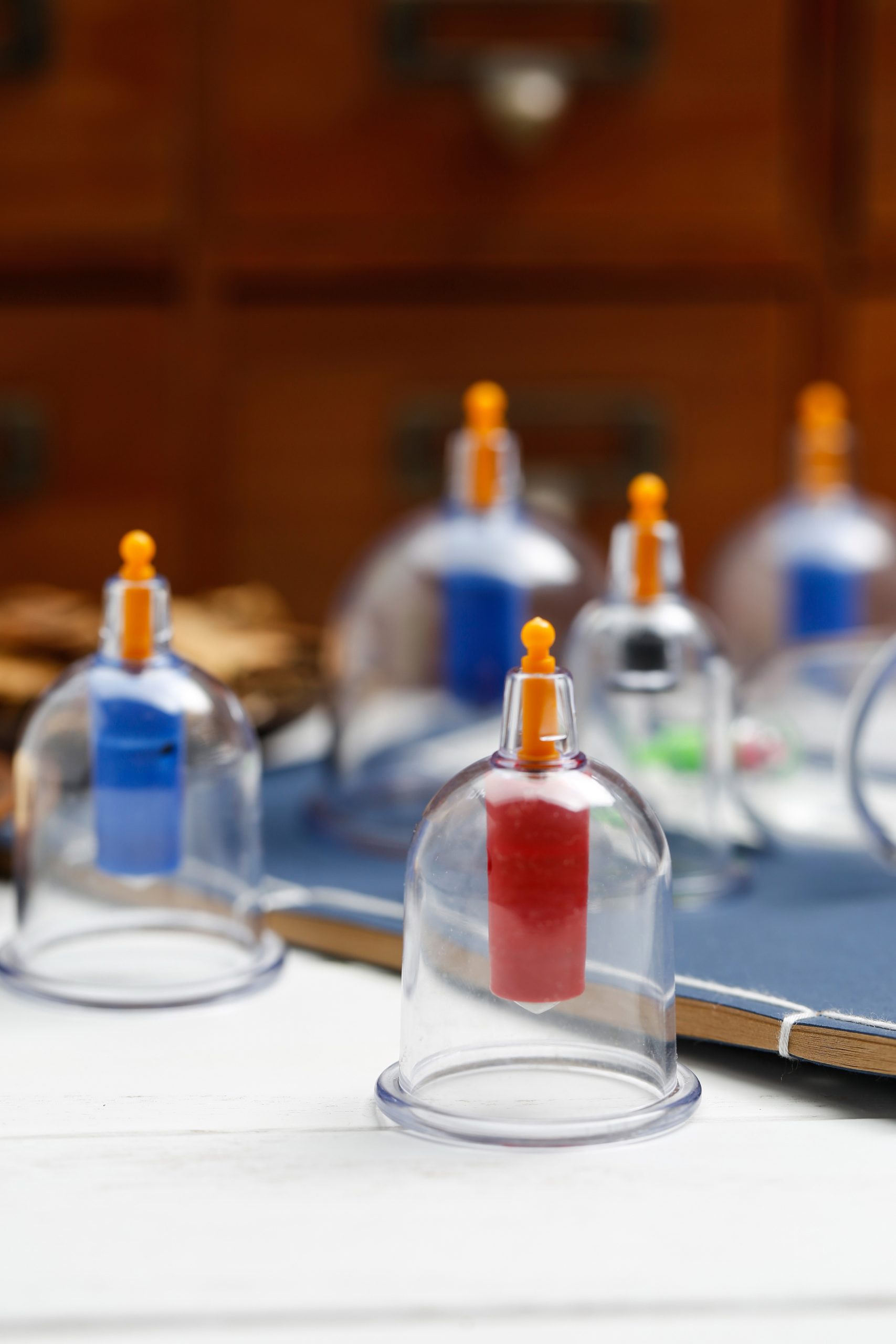
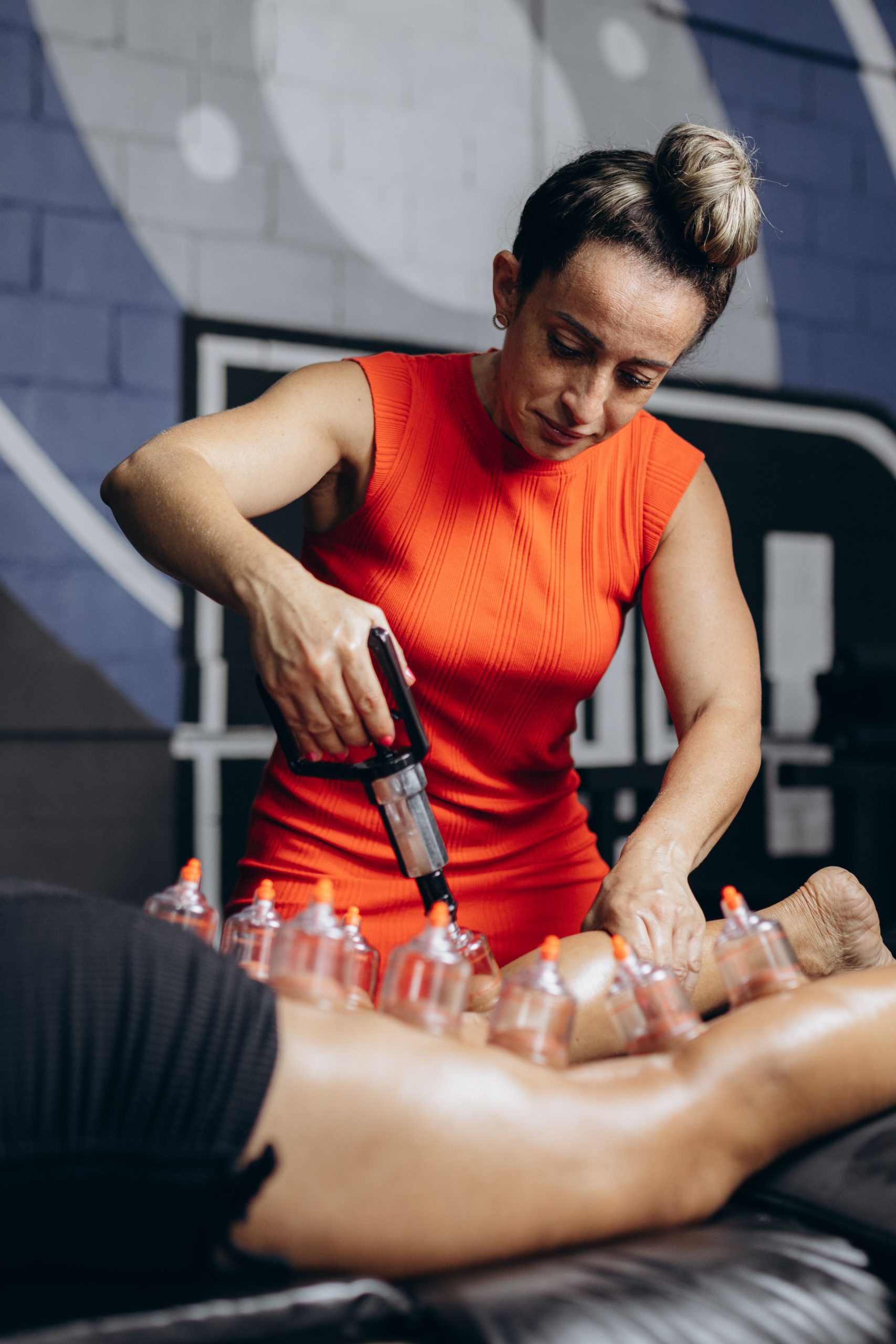
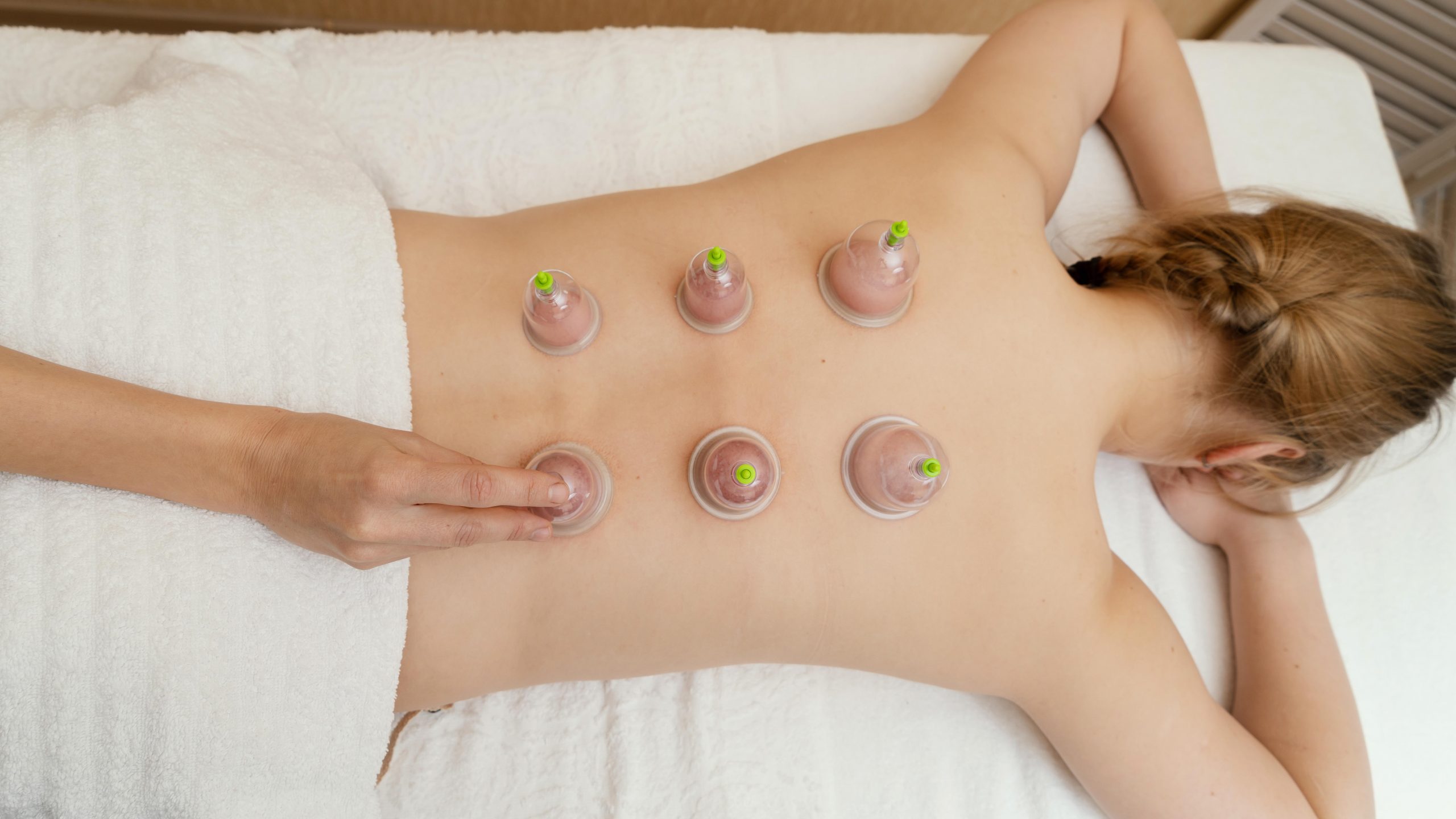
Cupping never begins without an evaluation. The doctor reviews your history and assesses the areas of concern before determining whether cupping fits your plan and how it pairs with other treatments. Cups are then placed against the skin over the target areas and held for several minutes. Most patients describe the pull as pressure rather than pain, more pronounced over areas that are already tight going in.
Cupping is frequently paired with chiropractic adjustments during the same appointment, since reducing soft-tissue tension through cupping can make spinal mobilization more effective. Patients often leave with circular marks on the treated areas, a normal result of suction that typically fades within several days.
What Cupping Marks Mean and When They Fade
The circular discoloration that cupping leaves on the skin gets more attention than almost any other aspect of the treatment, and it is also the most consistently misunderstood. These marks are not bruises in the conventional sense, caused by blunt impact or ruptured vessels. They result from negative pressure drawing blood toward the surface, and the depth of color reflects the extent of stagnation or tissue restriction in the area beneath the cup. Darker marks, ranging from deep red to a purplish brown, tend to appear where circulation was already compromised or the soft tissue was significantly restricted. Lighter marks, often barely pink, indicate tissue that was already fairly mobile and well-circulated before the session.
Most marks fade within several days, though heavily marked areas may take closer to a week to clear. Mild discomfort at the cupping site for the first day or two after a session is common and usually resolves on its own. Patients trying cupping for the first time are sometimes caught off guard by how visible the marks look, so knowing the details in advance is worth it.
Cupping Therapy After A Car Accident In Florida
Post-accident soft tissue injuries are one of the most common presentations we see, and cupping therapy is frequently part of the treatment approach for whiplash, cervical muscle strain, and upper back tension following a collision. Symptoms are not always immediate; many patients notice the full extent of muscle tightness in the days after an accident rather than at the scene. Florida's Personal Injury Protection insurance covers medical treatment after a car accident, including soft tissue therapy, but treatment must begin within 14 days to preserve PIP eligibility. Our team handles insurance coordination and documentation directly, and free transportation is available while your vehicle is being repaired.
When Cupping Is Not the Right Approach
Cupping is not appropriate for every patient, and a qualified cupping therapist will screen for contraindications before beginning. Active skin infections, open wounds, or inflammatory skin conditions at the intended treatment site are straightforward reasons to hold off. Applying suction cups over an active skin infection carries real risk, and a responsible practitioner will catch these issues during intake and not proceed. Patients on blood-thinning medications or with clotting disorders should speak with their physician before trying cupping, particularly wet cupping therapy, which involves superficial incisions. Cupping directly over bony prominences or acutely inflamed tissue also typically requires modification or avoidance.
Pregnancy does not rule out cupping, but it requires careful adjustments to placement and technique, and not all practitioners are trained. These are not minor details. They reflect why clinical settings and practitioner experience matter when pursuing this kind of treatment. Cupping delivered within a proper screening process is a different experience from cupping without that context.
How Cupping Fits Into a Complete Treatment Plan
Cupping tends to produce the most reliable results when it is part of a broader treatment plan rather than a recurring standalone appointment. At Orlando Spine and Wellness Center, cupping is used alongside other treatments based on the patient's evaluation, not applied as a default to anyone reporting muscle pain or tension.
Patients with disc conditions alongside significant muscle restriction often receive cupping in combination with spinal decompression therapy, which addresses the disc and nerve components, while cupping targets the surrounding soft tissue. For patients recovering from injury, cupping can support progress made through chiropractic adjustments by reducing the muscular resistance that sometimes counteracts spinal mobilization. Once the acute phase of treatment winds down, exercise rehabilitation builds the muscular support needed to prevent the same restrictions from returning.
How many sessions a patient needs varies considerably. Some people notice a real shift within a few visits. Longer, layered presentations take more time, but that doesn't mean the treatment isn't working. A first evaluation gives the clearest picture of what a realistic course of care would look like, and that same evaluation-first process is central to how the clinic approaches cupping therapy in Orlando, FL.
Call (321) 234-0124 to schedule an appointment, or visit the new patient center to learn what a first visit involves.