
Can a Chiropractor Help Sciatica Pain
February 23, 2026
Why Should You Avoid Gabapentin for Sciatica
February 23, 2026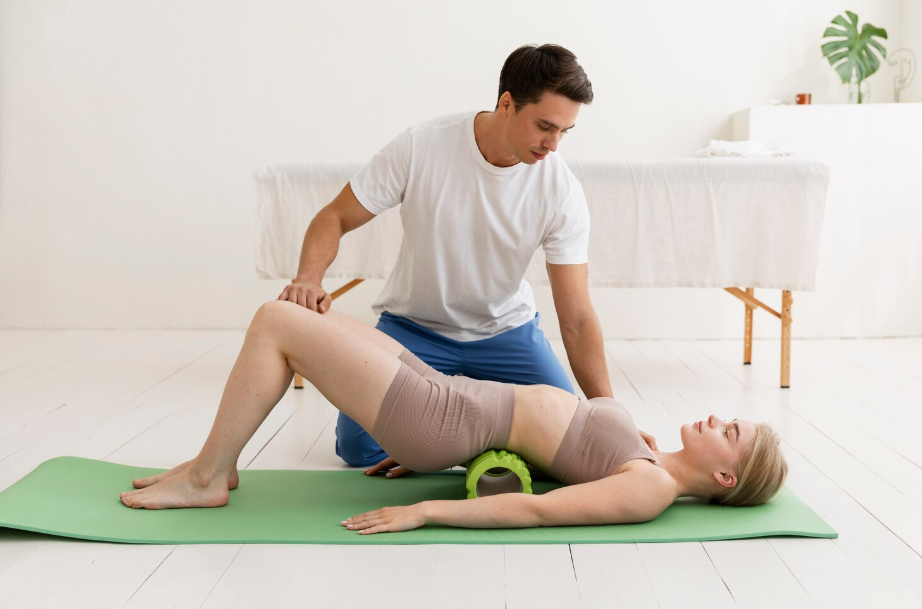
How to Massage Sciatica Trigger Points Safely at Home
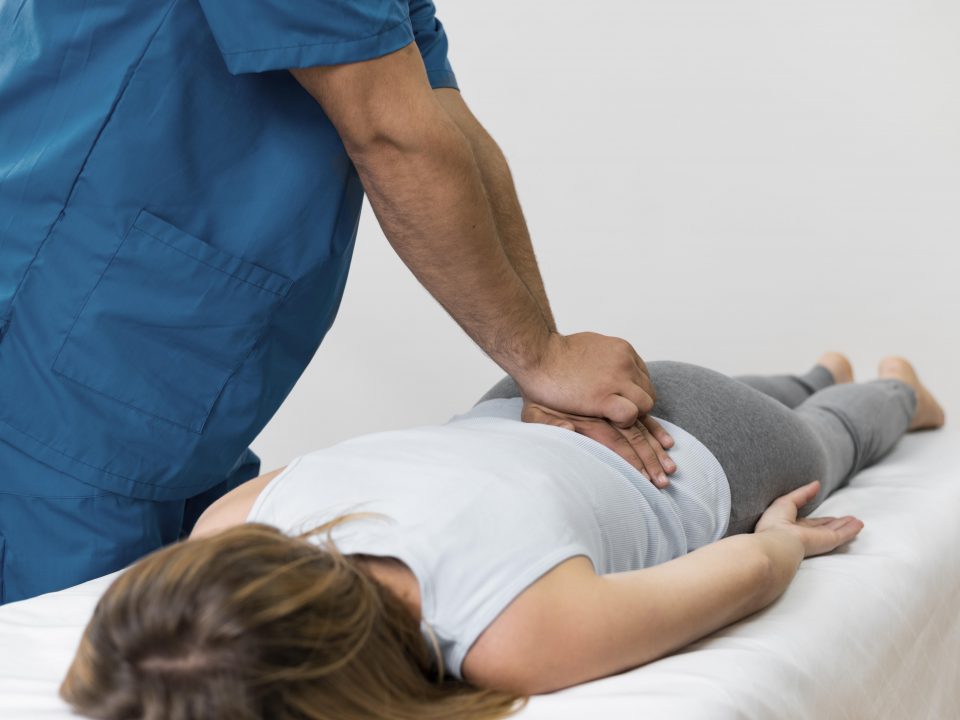
Sciatica can be one of those pains that just won’t quit. Some days it’s mild, and other days it’s this nagging, shooting sensation that makes sitting or bending a little tricky. The tight spots in muscles like the piriformis or glutes can pinch the sciatic nerve, and that’s usually what makes it hurt. Using tools like foam rollers or tennis balls can actually help, and a skilled chiropractor can guide you on where to focus.
It’s important to go slow at first. Even small amounts of pressure in the right spot can help loosen things up. You have to feel it out and see how your body reacts. Over time, those small sessions can really make a difference in how your leg and lower back feel day to day.
Understanding Sciatica Trigger Points
Trigger points are basically tight, tense areas in your muscles that irritate the nerve. The piriformis, deep in the buttocks, is usually the main one. When it tightens, it presses on the sciatic nerve and can send pain, tingling, or numbness down your leg.
Other muscles can play a role too. The gluteus medius, quadratus lumborum, and hamstrings sometimes develop these little knots that make things worse. It’s kind of like a chain reaction; one tight spot can cause tension somewhere else. Learning where these points are and how they connect helps you massage more effectively and safely.
Tools and Techniques for Massage
There are a few tools that can make this easier. Foam rollers are good for large muscles in your back and glutes. Tennis balls are great for smaller, stubborn spots that need pinpoint pressure. Massage sticks or rollers let you reach hard-to-access muscles in your legs and lower back.
Some people like to add gentle heat first, like a warm towel or heating pad. It can relax the muscles and make the massage feel better. The key is steady, moderate pressure; you don’t want to push too hard or cause more irritation. Starting gently and adjusting as you go works best.
Locating Key Trigger Points
Finding trigger points takes a little attention and patience. The piriformis is usually the starting spot. Gently press along your buttocks and down the back of your thighs to find areas that feel tender or tight.
Other muscles, like the quadratus lumborum in the lower back, may also have points that contribute to your pain. Move slowly, pay attention to how it feels, and take breaks if needed. The more you practice, the easier it gets to find the spots that need the most attention.
Proper Massage Pressure and Duration
When massaging, think moderate and steady. Too light, and you don’t get release; too hard, and it can hurt or make things worse. Spending a few minutes on each spot is usually enough to feel a difference.
Pay attention to your body. If something starts to hurt in a sharp way, ease up. Short, consistent sessions often work better than long, intense ones. The goal is gradual relief rather than forcing it all at once.
Precautions and Safety Measures
Safety is really important. Make sure the area is clean, and your hands are clean, and avoid pressing directly on the spine. Too much force can cause bruising or irritation, so start light and build up slowly.
Stop immediately if you feel unusual pain, numbness, or tingling. Going slowly and listening to your body ensures the massage is actually helpful. Remember, gentle and consistent is better than aggressive and painful.
Incorporating Self-Massage Into Routine
Making self-massage part of your routine helps a lot. Even just a few minutes a day can keep muscles looser and reduce flare-ups. Pick a quiet spot where you can focus without distractions, as it makes the session more effective.
Use the tools that feel best for your body, and adjust pressure depending on how your muscles feel that day. Over time, these small, regular sessions can make movement easier and help you feel more comfortable. Listening to your body is key; sometimes that’s more important than following strict rules.
Related Topics: