
The Benefits of Chiropractic Care in Orlando, Florida
July 23, 2024
Is Applying Heat Good for Sciatica Pain
February 23, 2026
Does Walking Help Sciatica Pain or Make It Worse?
Yes, walking usually helps sciatica since it is low-impact and keeps the body moving. It improves circulation, eases stiffness, and helps the muscles that support your spine stay active. That said, it has to be done the right way. Good posture, shorter steps, and a steady pace matter more than most people think.
Start small. Five to ten minutes is often enough at first, and you can build from there if your body responds well. If pain sharpens or starts traveling farther down the leg, that is your sign to stop and rest. Pushing through nerve pain rarely ends well, but staying in bed all day is not helpful either.
Walking can calm sciatica or stir it up, depending on how you approach it. Done properly, it improves flexibility, supports better alignment, and encourages healthy blood flow around the irritated nerve. It even triggers natural pain-relieving chemicals in the body. Still, uneven ground, slouching, or overdoing it can make symptoms flare.
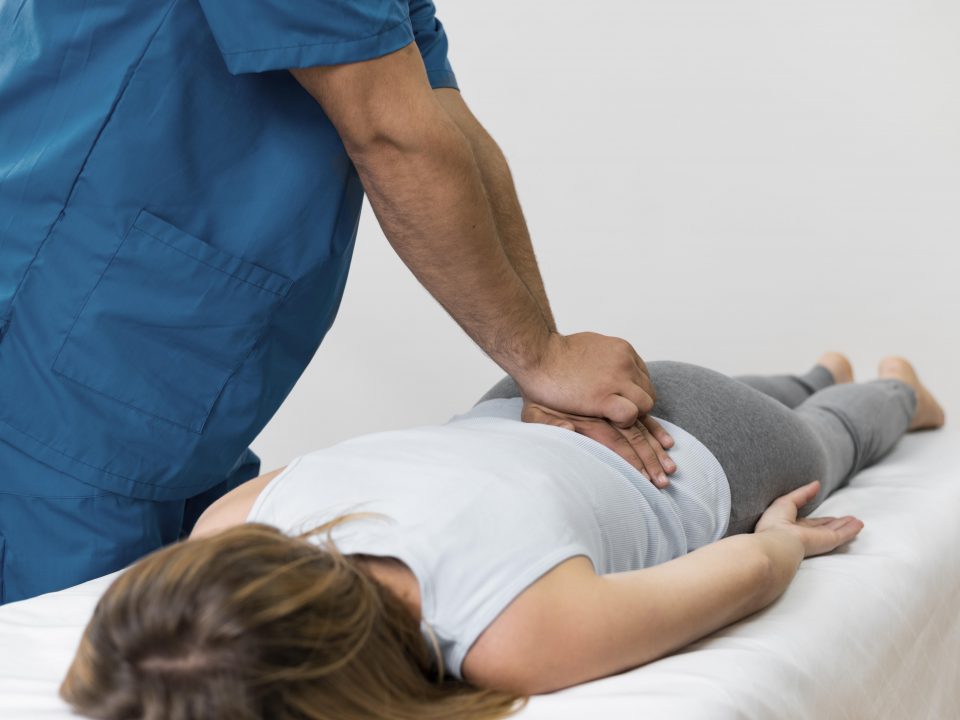
If you are unsure about your form or your pain keeps returning, it may be worth speaking with a trusted chiropractor in Orlando, FL, for guidance tailored to your condition. A professional can check your posture, evaluate your gait, and suggest simple corrections that make walking safer. Sometimes a small adjustment changes everything. Managing sciatica is often about small, steady habits that add up over time.
Benefits of Walking for Sciatica
Walking regularly provides significant benefits for individuals dealing with sciatica pain. A consistent walking routine helps improve flexibility, strengthen muscles supporting the spine, and promote better posture. Walking stimulates the release of endorphins, the body’s natural painkillers, which help alleviate the discomfort associated with sciatica.
Walking aids in increasing blood flow to the affected area, reducing inflammation, and promoting healing. Start with short walks and gradually increase the duration and intensity to avoid exacerbating symptoms. Consult with a healthcare professional before starting any new exercise regimen to ensure it’s safe and beneficial for your specific condition.
Risks of Walking With Sciatica
Physical activity with sciatica may pose risks that individuals should understand to prevent worsening their symptoms. Walking incorrectly can lead to increased pain and discomfort. Poor posture places unnecessary strain on the lower back and aggravates the sciatic nerve.
Overexertion presents another risk; pushing yourself too hard while walking leads to muscle fatigue and heightened pain levels. Walking on uneven surfaces or wearing improper footwear may increase the risk of falls or injuries, worsening sciatica symptoms. Be mindful of these risks and take necessary precautions when walking with sciatica to ensure the activity doesn’t cause more harm than good.
Proper Walking Techniques for Sciatica
To prevent worsening symptoms of sciatica while walking, adopt proper methods that help alleviate discomfort and promote better mobility. Maintaining good posture is vital; stand tall, keeping your back straight, shoulders relaxed, and head facing forward. Engage your core muscles to provide support for your lower back.
When taking steps, ensure a heel-to-toe motion, rolling your foot gently from heel to toe with each stride. Avoid overstriding, which can strain your lower back, and instead take shorter, more controlled steps. Use supportive footwear with cushioning to absorb impact and reduce pressure on your spine. Implementing these proper walking techniques minimizes sciatica symptoms and enhances your overall walking experience.
How Walking Can Alleviate Sciatica Pain
Regular walking routines effectively alleviate sciatica pain and discomfort through several mechanisms. Walking promotes blood flow to the affected area, reducing inflammation and improving flexibility. It helps strengthen muscles that support the spine, leading to better posture and reduced pressure on the sciatic nerve.
Walking stimulates the release of endorphins, the body’s natural painkillers, which help alleviate the discomfort associated with sciatica. Regular walking contributes to weight management, reduces strain on the lower back, and improves overall spinal health. By incorporating walking into your daily routine, you can experience relief from sciatica symptoms and improve your quality of life.
When Walking May Aggravate Sciatica
Walking can worsen sciatica when incorrect posture or excessive strain is placed on the lower back and sciatic nerve during the activity. Poor posture, such as leaning too far forward or slouching, increases pressure on the lumbar spine and worsens sciatic nerve pain. Walking at an overly brisk pace or for extended periods without proper rest strains the lower back muscles and irritates the sciatic nerve.
Maintain a neutral spine position, engage the core muscles, and take breaks when needed to prevent worsening of symptoms. Being mindful of your body mechanics and avoiding sudden movements or twisting motions while walking helps reduce the risk of worsening sciatica during physical activity.
Walking Tips for Managing Sciatica Symptoms
When managing sciatica symptoms while walking, focusing on maintaining proper posture and pacing is vital for minimizing discomfort and preventing aggravation of the condition. To alleviate pressure on the sciatic nerve, ensure your back is straight, your shoulders are relaxed, and your head is facing forward. Engage your core muscles to provide support and stability while walking.
Take regular breaks and avoid overexertion to prevent exacerbating the pain. Consider using walking aids like a cane or walking stick for added support if needed. Gradually increase your walking distance and pace as tolerated, listening to your body’s signals to avoid pushing beyond your limits. Following these walking tips effectively manages sciatica symptoms and promotes healing.
Contact Us
Have questions or want to schedule an appointment? We’re here to help! You can reach us by phone at 321‑234‑0124 or by email at info@orlandospine.com to connect with our team. Our office is located at 13802 Landstar Blvd., #107, Orlando, FL 32824, and we’d be happy to assist you with your care. Whether you prefer to call, email, or fill out a request form on our site, we’ll get back to you as soon as we can!
Related Topics: