
When Should You See a Chiropractor for Joint Pain
June 1, 2026Hivatalos weboldal – teljes útmutató a megbízható online kaszinó kiválasztásához
June 14, 2026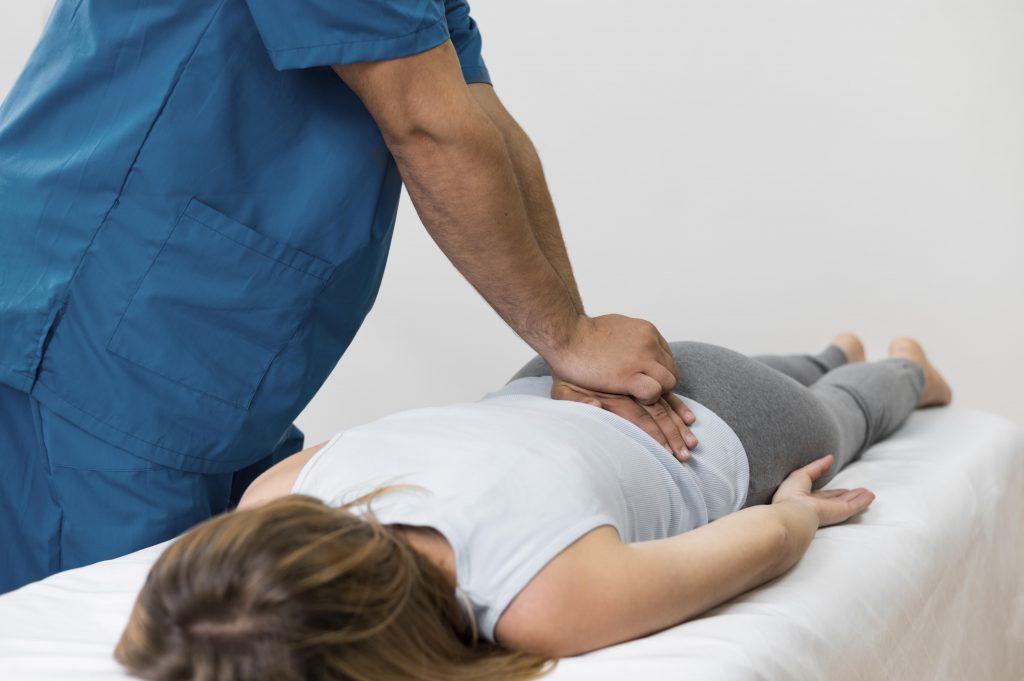
Is Chiropractic Care Effective for Lower Back Pain? A Local Guide
Lower back pain is one of the most common reasons adults in Orlando and Kissimmee come to see us, and for good reason. The lower back handles most of the body’s load during movement, sitting, and physical activity, so structural problems tend to show up here before anywhere else. If you’ve been looking for a reliable back pain chiropractor, you’re in the right place. At Orlando Spine and Wellness Center, we treat lower back pain every day, and our approach focuses on finding the cause instead of just managing how the pain feels. That’s the foundation of proven chiropractic pain management, and it’s how we help people get back to their normal routines.
Why Lower Back Pain Persists Without the Right Care
Lower back pain rarely has a single cause. It can come from a joint restriction in the lumbar spine, a disc herniation (where the soft inner material of a spinal disc pushes through its outer layer and presses on a nearby nerve), tight or weakened supporting muscles, sacroiliac joint dysfunction, or a combination of several of these at once.
When the source goes unaddressed, the body compensates. Other joints take on extra load, surrounding muscles tighten to protect the area, and what started as a manageable ache can develop into something that limits daily activity for months. Early evaluation stops that pattern before it compounds into something harder to resolve.
What Chiropractic Care Does for the Lower Back
Chiropractic care for lower back pain is not a one-size approach. Dr. Michael Bowerman, D.C. and Dr. Carlos Gomez, D.C. both trained at Palmer College of Chiropractic and have treated a broad range of lower back conditions across patients of different ages, activity levels, and injury histories.
Chiropractic adjustments restore proper movement to lumbar vertebrae that have become restricted or misaligned. When a lumbar joint is not moving correctly, it creates localized pain and can irritate nearby nerve roots. An adjustment restores motion to that joint and reduces the nerve irritation associated with it.
Spinal decompression therapy is used when a disc is involved. This is a non-surgical, motorized traction treatment that gently stretches the spine to reduce pressure on compressed or herniated discs, allowing disc material to retract and taking pressure off the nerves it was affecting. The Triton DTS system we use creates a computer-controlled cycle of tension and release, customized per patient.
Electrical muscle stimulation is applied to tense or spasming muscles to reduce spasm, improve circulation, and prepare tissue for adjustment. It is painless and is commonly used in the early stages of treatment when muscle guarding is high.
Intersegmental traction uses rollers moving along the spine to gently mobilize the vertebral joints, increase spinal flexibility, and improve circulation around the discs. It is often used as a warm-up before adjustments.
Exercise rehabilitation is introduced once the acute phase has settled. This means a prescribed, corrective movement program targeting the muscles that support the lumbar spine, not a general workout. The goal is to address the muscular imbalances that contributed to the problem and reduce the chance of it returning.
What a Realistic Recovery Looks Like
Recovery from lower back pain through chiropractic care depends on what is driving the problem. Acute pain from a recent incident often responds within four to eight weeks of consistent care. Chronic lower back pain that has been present for months or longer typically takes more time and requires a plan that addresses both the structural issue and the compensatory patterns that have formed around it.
Disc-related conditions treated with spinal decompression usually follow a course of 12 to 20 sessions, often over four to six weeks. Many patients begin noticing reduced pain and improved movement within the first several sessions. Our doctors give a realistic treatment timeline at your first visit, not a vague estimate, so you know what to expect from the start.
Who We Treat for Lower Back Pain in Orlando
We treat patients with lower back pain from a range of sources: disc herniations, sciatica (pain radiating from the lower back down into the leg from sciatic nerve compression), sacroiliac joint dysfunction, muscle imbalances from prolonged sitting, and post-injury pain from accidents or athletic activity.
We serve patients across Orlando, Kissimmee, South Orlando, Meadow Woods, Lake Nona, Hunters Creek, Buena Ventura Lakes, Celebration, Poinciana, and surrounding communities in Orange County and Osceola County.
Related topics: