Graston Soft Tissue Therapy

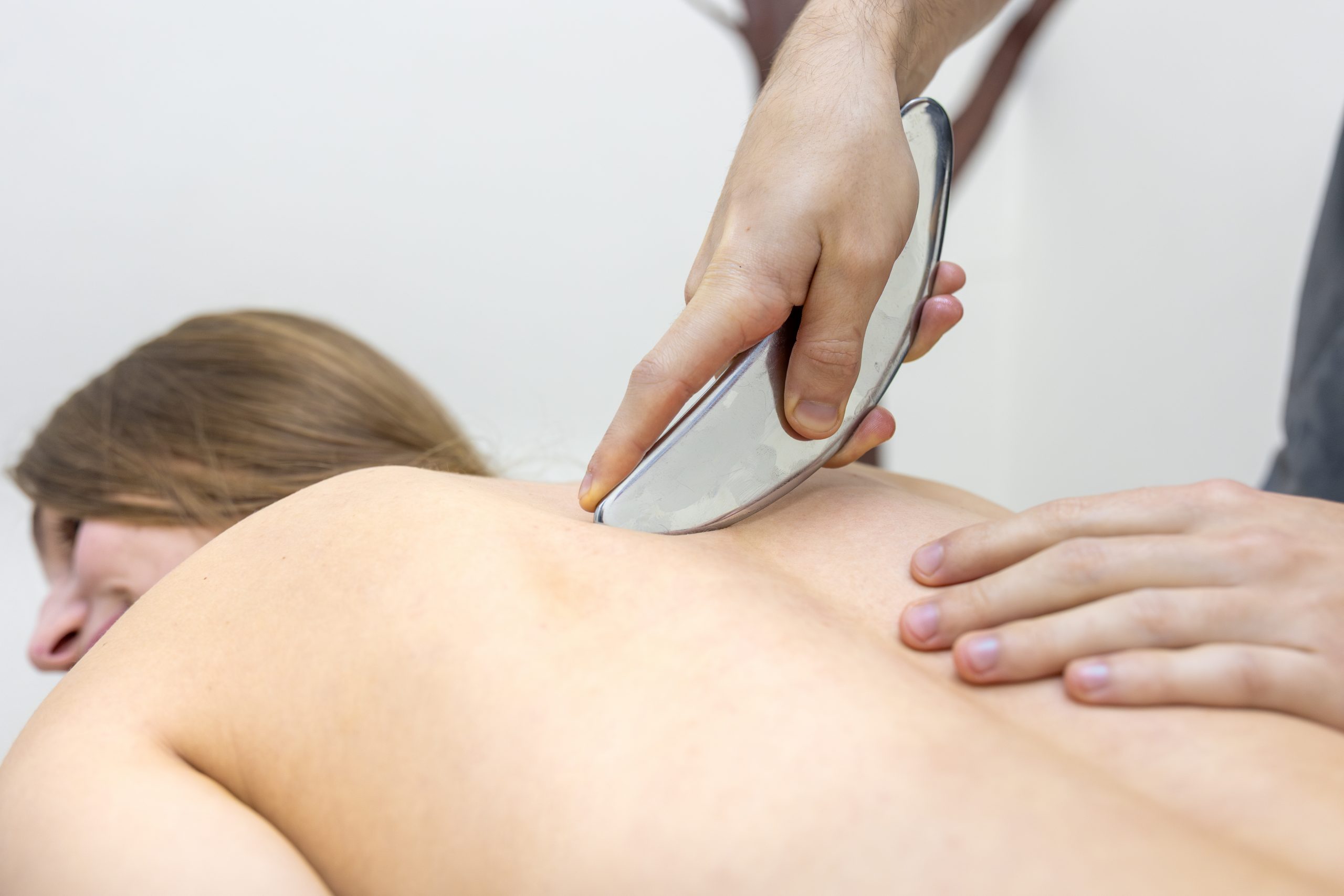
This technique utilizes a rounded metal tool to massage over tense muscle groups to aid in muscular release, lymphatic drainage and the reduction of inflammation.

Sometimes the body holds onto tension that stretching alone will not fix. Old injuries, repetitive strain, and even poor posture can leave behind scar tissue and fascial restrictions that limit movement. Working with a Graston technique specialist in Orlando, FL, can make a real difference, especially for those dealing with lingering muscle pain or reduced mobility. The Graston Technique uses targeted, hands-on methods to break down these tight areas and help restore more natural, comfortable movement.

At Orlando Spine and Wellness Center, our team uses this method to help patients who have tried other treatments without lasting results. Whether you are recovering from a knee injury, managing chronic pain, or just tired of feeling stiff all the time, understanding how this technique works might give you a new path forward.


What Is the Graston Technique and How Does It Work

The Graston Technique is an evidence-based form of instrument-assisted soft tissue mobilization. Practitioners use specialized tools made from stainless steel instruments to detect and treat areas where soft tissue has become restricted or damaged. These instruments allow the practitioner to feel for adhesions, scar tissue, and fibrous tissue that might not be obvious during a standard examination.

When the tool glides across your skin gently, it creates controlled microtrauma in the affected area. This sounds worse than it is. The process stimulates your body's natural healing response, increasing blood flow and encouraging the breakdown of unhealthy tissue. Over time, this helps restore range of motion and reduce pain in areas that have been problematic for months or even years.

David Graston developed this approach in the early 1990s after a water skiing accident left him with a serious knee injury. Surgery and conventional rehab were not producing the results he wanted, so he used his background as a machinist to create his own set of instruments. What started as personal frustration turned into a collaboration with researchers at Ball Memorial Hospital and Ball State University. Now, physical therapists, chiropractors, occupational therapists, and osteopathic physicians around the world use this method when treating patients with soft tissue problems.


Conditions That Respond Well to This Treatment

People come in for Graston Technique treatment for all kinds of reasons. Some have acute injuries that happened recently. Others have been dealing with chronic conditions that flare up whenever they try to return to normal activities. The technique tends to work particularly well for musculoskeletal conditions where soft tissue restrictions are a major contributing factor.

Plantar fasciitis is one of the more common issues we see respond positively to. That painful heel condition often involves thickened fascia that does not stretch properly anymore. Carpal tunnel symptoms, tennis elbow, and rotator cuff problems also tend to improve when the surrounding connective tissue gets proper attention. Runners dealing with IT band tightness or shin splints frequently notice significant results after a series of sessions.

Chronic inflammation plays a role in many of these conditions. When tissues stay inflamed for extended periods, they start to lay down extra collagen in patterns that restrict normal movement. The instruments help break up these patterns so the body can rebuild the tissue in a healthier way. Patients often report improved range of motion within just a few treatments, though lasting change usually requires consistency.


What to Expect During Your Session

Your practitioner will start by evaluating the area causing problems. They might have you move through certain ranges of motion while they observe how your body responds. Once they identify the specific spots that need attention, they will apply a lubricant to your skin and begin working with the instruments.

The sensation is hard to describe if you have never experienced it. Some people say it feels like a deep massage combined with muscle scraping. Others compare it to foam rolling, but more targeted. You might notice some redness in the treated area afterward, which is normal and indicates increased circulation. Mild bruising can occur, especially in the first few sessions, but this typically decreases as your tissues become healthier.

The actual instrument work on each area typically lasts around 30 to 60 seconds, though the full appointment runs longer when you factor in the warm-up, assessment, and follow-up exercises. Most visits fall somewhere in the 15- to 30-minute range, depending on how many areas need attention. Your practitioner will likely recommend stretching routines and therapeutic exercises to do between appointments. These home care activities help maintain the progress made during treatment and reduce the chance of the problem returning.


Benefits Beyond Pain Relief

The obvious benefit is that people feel better. Pain decreases, stiffness goes away, and activities that used to cause discomfort become manageable again. But there are other advantages worth mentioning that go beyond just feeling less terrible.

Blood circulation improvements affect more than just the treatment area. Better blood flow means nutrients reach your tissues more efficiently and waste products get cleared out faster. This can speed up healing from other injuries and generally support better tissue health throughout your body. Some patients notice that nagging issues in areas they did not even mention start to improve as their overall circulation gets better.

The nervous system also responds to this kind of treatment. Chronic muscle tension often involves feedback loops where tight muscles send signals that keep the area guarded and restricted. Breaking up the physical restrictions can help interrupt these patterns, allowing your nervous system to reset its expectations about how that area should feel. This is part of why the results tend to last longer than a typical massage, which might feel great temporarily but does not address the underlying tissue problems.


Who Should Consider This Approach

Athletes at every level find value in Graston Technique work. The amateur athlete dealing with overuse injuries from weekend sports often responds just as well as competitive athletes who need to maintain peak performance. If you have soft tissue fibrosis from an old injury that never quite healed right, this might be exactly what you need.

People who have tried physical therapy without getting the results they wanted should consider adding this modality. It pairs well with other treatments and can sometimes break through plateaus that seemed impossible to overcome. The same goes for anyone recovering from surgery who has developed scar tissue that limits their mobility.

That said, this treatment is not appropriate for everyone. People with certain skin conditions, those on blood thinners, or anyone with active infections in the treatment area should discuss alternatives with their provider. Pregnant women should also consult with their healthcare team before starting any new treatment protocol.


Finding Quality Care in the Orlando Area

Not every practitioner who offers soft tissue mobilization has the same level of training or experience. The Graston Technique requires specific certification, and practitioners who have invested in this training tend to get better outcomes than those using generic scraping tools without proper instruction.

Orlando Spine and Wellness Center offers Graston soft tissue therapy as part of a broader treatment approach that includes chiropractic adjustments, therapeutic exercise, and stretching programs. This integrated method often produces better long-term results than any single treatment would on its own. When your care team can address both the soft tissue restrictions and any underlying joint or alignment issues, you have a much better chance of staying pain-free once treatment ends.

If muscle pain, limited mobility, or chronic conditions have been holding you back, it might be time to try something different. The instruments and techniques have been refined over decades, and the research supporting their effectiveness continues to grow. Sometimes the solution to a problem you have been dealing with for years is simpler than you expected, just a different approach that finally addresses what is actually going on in your tissues.


INJURED IN AN AUTO ACCIDENT?

Schedule your free consultation today!

Please do not submit any Protected Health Information (PHI). (Required*)

    OFFICE HOURS

    • 9am - 12pm | 1pm - 6pm
    • 8am - 12pm | 1pm - 5pm
    • 8am - 1pm
    • Closed