

Sciatica Pain Relief in Orlando, FL
That sharp, shooting pain that starts in your lower back and travels down one leg is not something you should just push through. Sciatica affects a lot of people, and for many, it comes out of nowhere. One day you feel fine, and the next you're dealing with burning pain, muscle weakness, or tingling that runs from your lower spine all the way to your foot. If that sounds familiar, you're not alone, and there are real options for effective sciatica pain relief in Orlando, FL.
What Is Sciatica, Exactly?
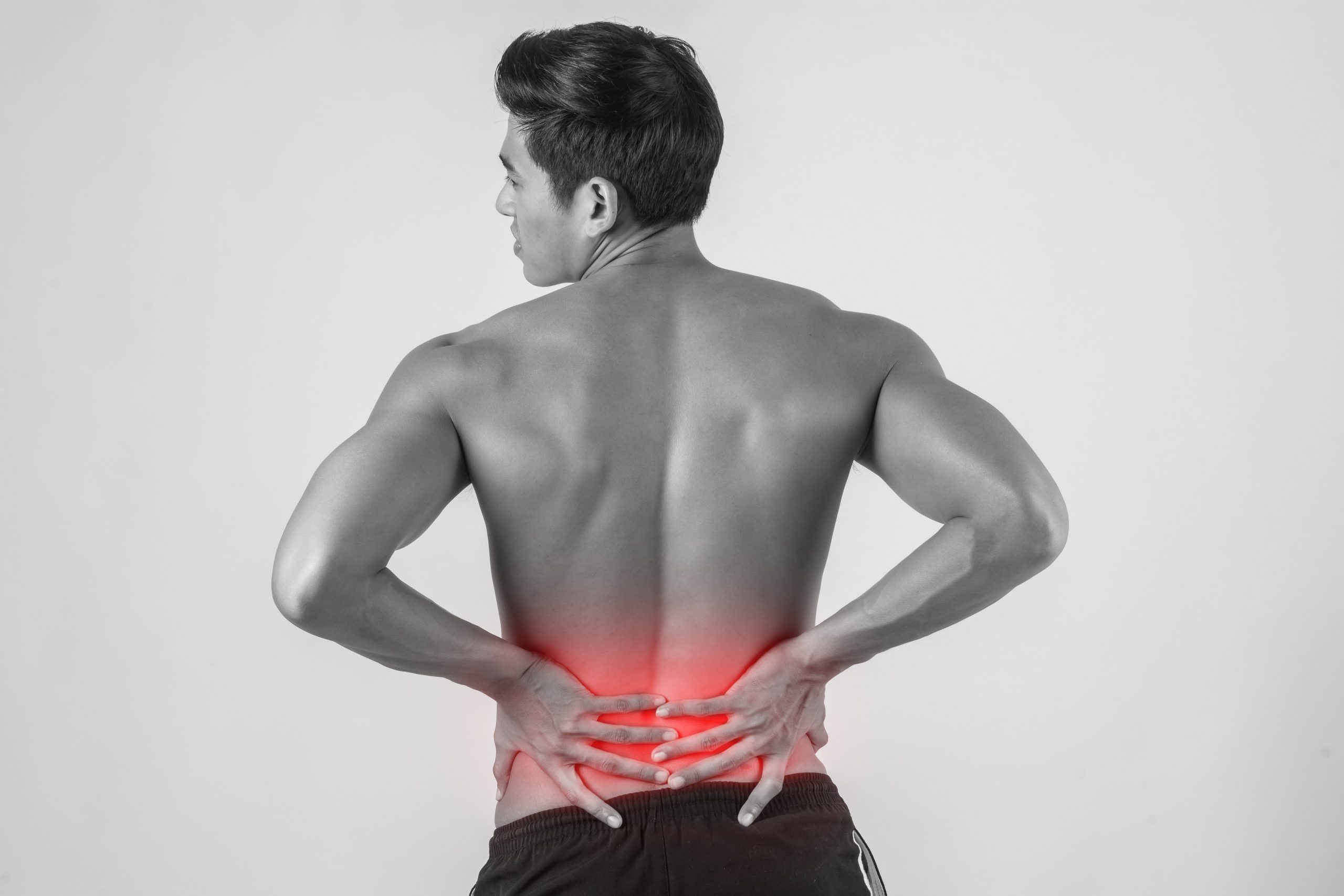
Sciatica is not a diagnosis on its own. It's a term used to describe nerve pain that radiates along the path of the sciatic nerve, which runs from the lower spine through the hips, down through the affected leg, and into the foot. The sciatic nerve is the longest nerve in the body, so when something puts pressure on it, you feel it. The pain can range from a dull ache to a sharp, shooting sensation that makes it hard to sit, stand, or sleep comfortably.

Common Causes of Sciatic Nerve Pain
A herniated disk is probably the most well-known cause, but it's far from the only one. A bone spur pressing against nearby nerves can trigger the same kind of radiating leg pain. Spinal stenosis, which is a narrowing of the spinal canal, can put pressure on the nerve root and cause similar symptoms. Poor posture, tight muscles from sitting for long periods, and carrying extra weight can all make things worse over time. Understanding what's actually driving the pain matters because the right treatment depends on the cause.
Symptoms Worth Paying Attention To
Sciatica doesn't always look the same from person to person. Some people describe it as a burning pain down one leg. Others feel a persistent ache or notice that their pain is worse when sitting. Muscle spasms, numbness, and muscle weakness in the affected leg are also pretty common.
Symptoms that should prompt you to seek medical care sooner rather than later include:
- Severe or worsening symptoms that don't improve after a few weeks
- Loss of bladder control or bowel control
- Pain following a serious injury or accident
- Numbness or weakness spreading to both legs
- Symptoms that consistently interrupt sleep
If any of those apply, don't wait around hoping things improve on their own.


How Chiropractic Care Helps Relieve Pressure on the Sciatic Nerve
Chiropractic care works to address the structural issues putting pressure on the nerve in the first place. A thorough physical exam helps identify whether a herniated disk, spinal stenosis, or a pinched nerve is contributing to the problem. From there, spinal adjustments may help reposition the vertebrae, reduce inflammation in the affected area, and relieve pressure on the nerve root without relying on pain relievers or muscle relaxants.
At Orlando Spine and Wellness Center, the approach goes beyond treating the immediate pain. The goal is to figure out what caused the problem and make sure it doesn't keep coming back. Patients dealing with sciatic pain often see improvement through a combination of adjustments, targeted exercise rehabilitation, and hands-on soft tissue work. Treatment plans are built around what the individual patient actually needs, not a one-size-fits-all protocol.
Gentle Movement and Stretching That Can Support Recovery
Rest has its place, but too much rest can actually slow things down. Gentle movement and gentle stretching help increase blood flow to the affected area, which supports healing and helps loosen up tight muscles that may be adding pressure to the sciatic nerve.
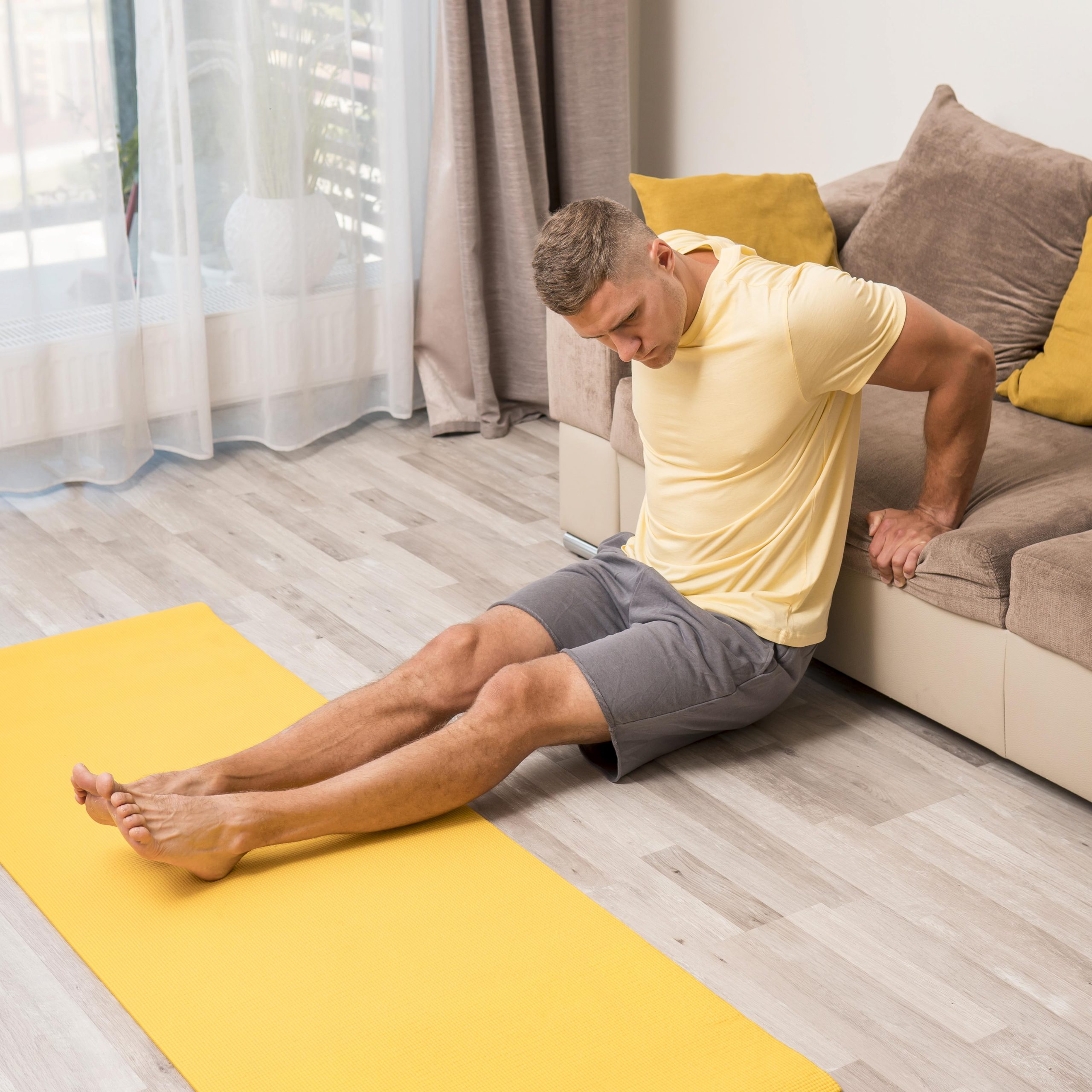
A few stretches tend to come up often during recovery. Lying flat on your back with your feet flat on the floor and slowly pulling one knee toward your chest, holding with your knees bent, can help take tension off the lower spine. Another option is lying on your back and drawing one knee across your body in a crossed-leg position, which targets the piriformis muscle. Whether you keep your legs straight or slightly bent depends on comfort, and you should never force a stretch past the point where it stops feeling manageable.
A physical therapist or chiropractor can walk you through safe, targeted stretches based on your specific condition. What works for one person's sciatica might not be the right move for someone else, especially if there's a herniated disk or spinal stenosis involved. Good posture during these stretches matters too.

Heat, Ice, and Managing Symptoms at Home
For day-to-day management, a heating pad applied to the lower back can help relax tight muscles and increase blood flow to the affected area. An ice pack works better for reducing acute inflammation, especially right after symptoms flare up. Alternating between the two is something many patients find helpful, though it's worth asking your healthcare provider what makes sense for your specific situation.
Maintaining a healthy weight reduces the load on the lower spine and can make a real difference for people whose sciatica is connected to excess pressure on the spinal cord and nearby nerves. Staying active with low-impact movement, practicing good posture during long periods of sitting, and avoiding positions that make pain worse are all part of managing this condition over time.
When Conservative Care Is Not Enough
Many mild to moderate cases of sciatica respond well to conservative care, though timelines vary depending on severity. Chiropractic adjustments, physical therapy, gentle stretching, and home management handle a large portion of cases without needing to go further. In severe cases, a healthcare provider might recommend steroid injections to reduce inflammation around the nerve root or magnetic resonance imaging to get a clearer picture of what's happening inside the spinal canal. Other treatments like spinal decompression therapy can also relieve pressure on the sciatic nerve in cases involving herniated disks or spinal stenosis.
Surgery is generally considered a last option, and most patients don't end up needing it if they get proper care early and stay consistent with their treatment plan.

Get Sciatica Pain Relief at Orlando Spine and Wellness Center
Sciatic pain has a way of taking over. It affects how you sit, how you sleep, how you move through a normal day. Getting the right care early makes a significant difference in how fast and how fully you recover, and it lowers the risk of dealing with worsening symptoms down the road.
Orlando Spine and Wellness Center serves patients across Orlando, Kissimmee, Winter Garden, and surrounding communities. Dr. Michael Bowerman and Dr. Carlos Gomez offer personalized care for sciatica, nerve pain, back pain, and a full range of musculoskeletal conditions. New patients can take advantage of the $39 new patient special to get started. Call (321) 234-0124 or visit the office at 13802 Landstar Blvd., #107, Orlando, FL 32824 to schedule an appointment.
Other Services We Offer: