

Sciatica Treatment Options: What Works and What Doesn’t
January 21, 2026Pinco Online Kazino 2026 – Bonuslar və Aksiyalar (Пинко Казино Онлайн)
February 7, 2026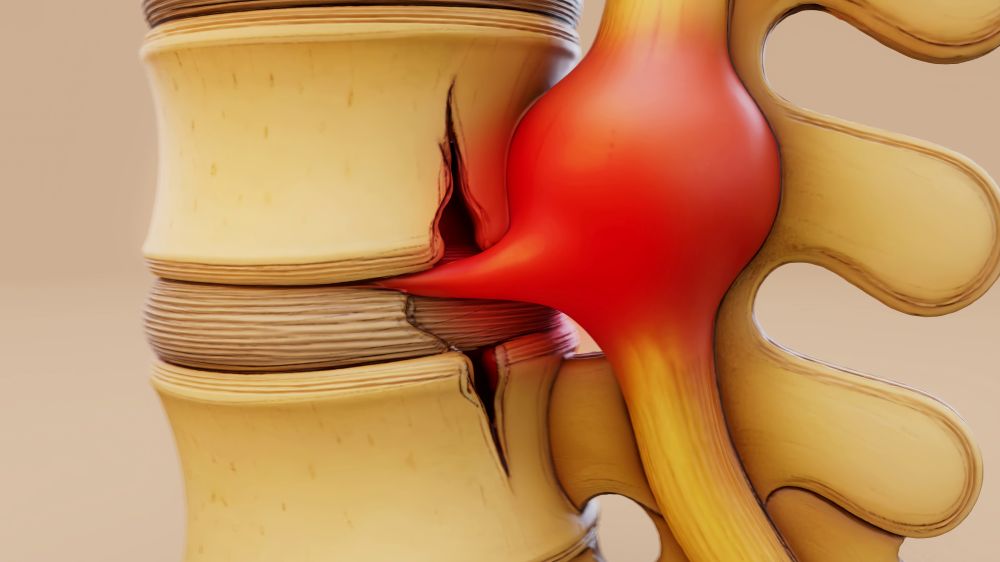
A Complete Guide to What Is Sciatica
Sciatica causes pain along the sciatic nerve, typically affecting one side of the body and often accompanied by numbness and weakness. This condition can stem from herniated discs, spinal stenosis, or tight muscles putting pressure on the nerve. A local chiropractor can help identify the source of your pain and recommend the appropriate treatment. This guide covers everything from causes and symptoms to diagnosis, treatment options, and prevention tips. Knowing how sciatica works makes it easier to manage and find relief.
Understanding Sciatica: Definition and Overview
Sciatica refers to pain that travels along the path of the sciatic nerve, which runs from your lower back through your hips, buttocks, and down each leg. This pain usually hits only one side of your body and can range from a dull ache to sharp, intense discomfort. Common symptoms include numbness, tingling, or weakness in the affected leg. Sciatica typically happens when something compresses or irritates the sciatic nerve due to an underlying condition. Understanding what sciatica is, how it feels, and how it shows up in different people helps with getting the right diagnosis and treatment plan, including options like spinal decompression when nerve compression is involved.
Causes of Sciatica: Common Triggers
Figuring out what causes sciatica means identifying what’s compressing or irritating the sciatic nerve. One of the most common causes is a herniated disc, in which the soft inner material of a spinal disc protrudes and puts pressure on the nerve roots. Spinal stenosis, a condition in which the spinal canal narrows and compresses the nerve roots, is another frequent trigger. Spondylolisthesis, where one vertebra slips forward over the one below it, can also lead to sciatica. Other triggers include muscle spasms, injuries, tumors, and spinal infections. Knowing these causes helps doctors diagnose and treat sciatica more effectively.
Symptoms of Sciatica: Recognizing the Signs
Spotting the signs of sciatica means paying attention to specific symptoms that indicate the condition. The most common indicators are pain, numbness, and tingling that travel along the sciatic nerve’s path. The pain often starts in the lower back and shoots down one leg, sometimes reaching the foot. People describe it as sharp, burning, or like an electric shock. Along with pain, you might feel numbness or weakness in the affected leg, making it hard to move or stand. Tingling sensations can also show up. These symptoms vary in intensity; some people deal with mild discomfort, while others face severe pain that limits daily activities. Catching these signs early helps you get proper care sooner.
Diagnosing Sciatica: Tests and Examinations
To accurately diagnose sciatica, healthcare providers use a combination of tests and physical exams to assess symptoms and identify the underlying cause of the pain. Physical evaluations check your reflexes, muscle strength, and sensation. Imaging tests such as X-rays, MRIs, or CT scans show the spinal cord, nerves, and surrounding structures to detect compression or damage. Electromyography (EMG) and nerve conduction studies (NCS) measure electrical activity in muscles and nerves to pinpoint the source of irritation. These tests play a significant role in confirming a diagnosis of sciatica and determining the best treatment approach.
Treatments for Sciatica: Pain Relief Options
Several pain-relief options can help ease the discomfort associated with sciatica. Nonsteroidal anti-inflammatory drugs (NSAIDs) like ibuprofen reduce pain and swelling. Acetaminophen works for milder pain. For more severe cases, doctors may prescribe oral corticosteroids or muscle relaxants to calm symptoms. Physical therapy focused on stretching and strengthening exercises can improve flexibility and reduce pressure on the sciatic nerve, similar to how rehab programs support rotator cuff tear treatments in restoring mobility and function. Epidural steroid injections that target the affected nerve roots offer temporary relief and may also help patients seeking broader knee pain relief when nerve pain radiates downward. Some people also find help through alternative treatments like acupuncture or chiropractic adjustments. Talk to a healthcare professional to find the pain relief option that fits your situation and how severe your symptoms are.
Preventing Sciatica: Tips for Avoidance
Using proper body mechanics and staying active are key strategies for preventing sciatica and lowering your risk of developing this painful condition. When lifting objects, bend at the knees, not at the waist, to avoid straining your lower back. Keep good posture while sitting, standing, and walking to prevent unnecessary pressure on the sciatic nerve. Exercises that strengthen your core muscles, including your abs and back, help support the spine and reduce your risk of sciatica. Regular stretching improves flexibility and eases muscle tension, which also helps prevent sciatic pain. By staying mindful of these habits and taking proactive steps, you can significantly reduce your risk of developing sciatica.
Related Topics: